

 Remember the children’s story, The Emperor’s New Clothes? Published in 1837 by Hans Christian Andersen, it is one of my favorite stories for revealing aspects of human nature: the fear of man (aka peer pressure), hypocrisy, and going along with the crowd mentality. People tend to want to avoid conflict and have others to think highly of them. No one really wants to be the party-pooper, do they? When something in life is obviously wrong, many choose to pretend, it’s part of our human nature. But caring involves confrontation at times.
In all of life, there are problems that need to be confronted. How we respond to issues in our lives will determine what kind of person we become.
The easy way out leads to death. (II Cor. 7:10)
There are plenty of clichés in our culture that present an attitude that I consider to be the easy way. Forgive and forget, live and let live, take it easy, chill, don’t be so serious, and the list goes on. Generally, someone who engages in these attitudes hasn’t given themselves to a serious life of faith. Living topically requires much less effort — for a while — and thinking deeply is not required. Vagueness helps people slide through difficulty, but it always catches up with them sooner or  later. For some, their freewheeling lifestyle later requires others to have to control them; that may include prison bars because they refused to use self-control when they could have. Sometimes the control is much more subtle, and the controller is hidden; the person doesn’t even realize they are bound by someone or something. Those who understand the spiritual realm of life realize that the spirit of this world, led by Satan, brings people into captivity for good reason. Death and hell are the rewards for blindly following and choosing the easy way (Mt. 7:13).
Recognize your own frailty.
It is our job to be willing to deal with problems and to seek guidance from God on how to best solve them. His Word dwelling richly in us gives us a good foundation from which to operate; we can gain the mind of Christ (I Cor 2:14-16). Even with these good tools, we still have some troublesome filters. They come from our family background, our upbringing, and the difficulties we’ve faced. Some of us come from a confrontational background, and because of the pain associated with that, we can tend to go in the opposite direction when facing issues and become passive adults. Conversely, those from passive homes can go overboard the other way. The pendulum often first swings to extremes. Let’s agree — we all have issues and filters to overcome.
Because we are all sinners and have blind spots, we do not see ourselves or others as God does. And so we need to have a tender, open heart before Him and His Word in order to do this right. Good mentors and counselors help a lot too. As time goes by in life and as we practice humility, we can become free of the past and see more clearly how to interpret and enact teaching from God’s Word.
Getting caught is God’s warning signal to us.
Because God truly loves us and isn’t looking to embarrass or expose us, He privately deals with us by the voice of the Holy Spirit telling us inside to stop some practice or change the direction we are going. He is faithful and true to every person he created; there will be none to stand and accuse God of injustice. He sends people into our lives to help us, especially when we cry out to Him for help. But at some point, exposure will come if we do not reckon with ourselves. The sorrow of the world, that Paul refers to in II Cor. 7:10-11, is what happens when someone is looking for a quick solution or easy way out of a problem. When a heart is not truly broken or humble before God, one can try all they want to find relief, but it will not come. Blaming, excusing, and squirming will be their lot.
Yes, the easy way out is to cover up and expect others involved to forgive and forget, but the sin battle doesn’t end until it is exposed and dealt with. The fear of God, humility, brokenness, and confession are the only ways to fully experience God’s awesome forgiveness and love. True healing comes to our souls when we follow what God has laid out.
No Pain, No Gain
The grief and pain that come as a result of our sin are for good reason. God’s love for us directs this to produce repentance that leads and contributes to salvation and deliverance from evil. But the sorrow of the world is something quite different.
Humility vs. Pride
Humility places us in a position willing to receive correction and face consequences for our actions. Pride in the heart will block any forward movement toward reconciliation. Unless an offender comes clean at the foot of the Cross of Jesus Christ, there will be continued sin, turmoil, and unrest for all involved.
Relief vs. Regret
When the outcome of wrongs committed is godly sorrow and proper steps are taken to demonstrate this, it produces relief and healing in a relationship, even if only from one side. Minds are set at rest, and the opportunity for a refreshing of the spirit comes. For those who simply go along, acting sorry, they find a road of regret before them; the loss they experience may never be recovered.
Work vs. Play
God is so wise in how He works in our lives; we cannot fool Him. There is no cheating or trickery in His Kingdom. The athlete recovering from knee surgery cannot gain back strength without the pain of movement and therapy; no pain, no gain. It’s true for us spiritually and emotionally as well. To recover from sin’s effect, we must work diligently. Those who play games will pay dearly for this.
The Freedom Test
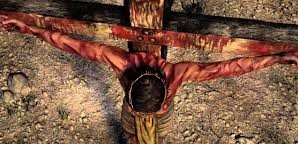 Godly Sorrow involves the Cross of Christ.
The meeting place for deliverance from sin is at the foot of the cross of Christ. The dark, bloodstained, messy, horrible cross is where Jesus suffered so that we may go free! Until we see the importance of the cross and understand the value of Christ’s sacrifice there, we will miss the important ingredient of freedom.
Once a person’s heart has been seriously dealt with and they respond in humility, their eyes become open to the great grief their sins have caused. John Newton, after receiving salvation through Christ and growing in understanding of his heinous acts as a slave trader, wrote the famous song, Amazing Grace. Then, in 1787, he recorded in his diary, Thoughts Upon the African Slave Trade, an account that greatly helped William Wilberforce in his campaign to abolish the slave trade in England. God’s mercy reached Newton’s vile heart, and because of love, God saved him. It is a gift from God that we receive godly sorrow.
II Cor. 7:10-11 For godly grief and the pain God is permitted to direct, produce a repentance that leads and contributes to salvation and deliverance from evil, and it never brings regret; but worldly grief (the hopeless sorrow that is characteristic of the pagan world) is deadly [breeding and ending in death].
11 For [you can look back now and] observe what this same godly sorrow has done for you and has produced in you: what eagerness and earnest care to explain and clear yourselves [of all [a]complicity in the condoning of incest], what indignation [at the sin], what alarm, what yearning, what zeal [to do justice to all concerned], what readiness to mete out punishment [[b]to the offender]! At every point you have proved yourselves cleared and guiltless in the matter. (Amplified Version)
What Godly Sorrow produces. (II Cor. 7:10-11)![wood-229732__340[1]](https://nancydemary.com/wp-content/uploads/2017/08/wood-229732__3401.jpg)
- Eagerness and earnest care to explain what you did, even though you may not understand why.
- To clear yourself of the wrongdoing and follow up with proper actions.
- To hate the sin that you were involved in.
- To have alarm and fear about the seriousness of sin.
- A yearning and desire to live for God instead of your own selfish pleasure.
- Zeal to make things right. To correct all injustice.
- A readiness to embrace consequences and make corrections.
Godly Sorrow is demonstrated relationally
Once a person goes through the process of godly sorrow and demonstrates this reality over time, relationships once broken can be rebuilt and reconciled. This is quite the opposite of the “forgive and forget” mentality that accompanies worldly sorrow. The Holy Spirit’s work of giving true freedom is seen through a changed life and an honest relationship with others. When we walk in the Light, we have fellowship with one another (I John 1:7).
Photo credit: Pixabay
Do you get Triggered?


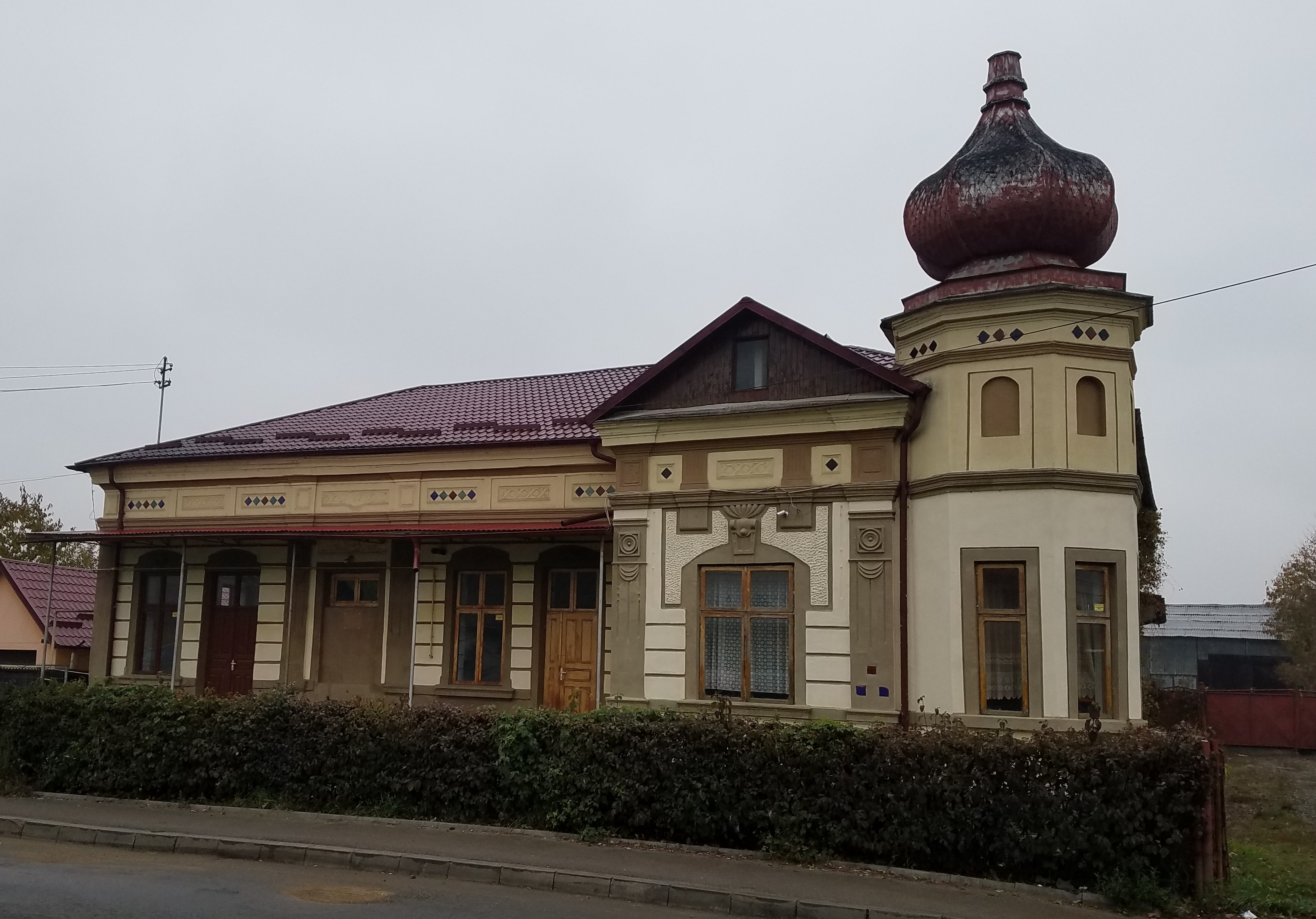 e-type bread store or if the public could purchase there, but the children reassured me that their aunts and uncles bought bread there, so I went in. Inside, the plaster was cracked; missing pieces had fallen to the floor and had been swept up in a haphazard way, but the bread was so good! I soon learned not to look so much at the structure housing the product, but to follow suit of the locals and simply enjoy what was available. I also learned to take my own bag along to the store to place the bread in, as one usually wasn’t provided. People simply slung the loaf under their arm and headed off. My habit of making a weekly trip to the grocery store in the U.S. didn’t work well here. I found myself going daily for fresh bread. With five of us to feed, bread was one of our beloved staples; and Uncle Costica provided eggs for us from his farm.
 selfishly motivated and used abortion in a different way than we in the West would. We implemented it as a means to decrease the population of undesirable children; he restricted it — not for godly reasons but rather to increase the population. He forbade abortion for all women unless they were over forty years old, or were already caring for four children. He banned all forms of contraception, completely. Ceausescu was looking to create a new nation of people, not unlike Adolph Hitler. By 1969, the country had a million babies more than the previous average. It was said that thousands of kindergartens were built overnight. Farmlands were confiscated and used collectively as farms for the government. People were warehoused into cities, living all together in huge concrete apartment buildings. Then, at the close of 1989, Ceaușescu and his wife, Elena, were assassinated by their own people on Christmas Day. This revolution brought Romania into a period of rebuilding as a free nation. But this was now a nation with poverty, and so many children (more than 100,000) were unwanted or born to families that simply did not have the means to care for them. The question then was, “What do we do with all of these orphaned children?”
 In October I will be heading back to Romania for 1 month to serve alongside missionary friends and revisit old friends and relatives in the Suceava area. Would you please remember me and those I will be working with in prayer. God is so very good to allow me to return and be a part of the mission efforts I love and support there.
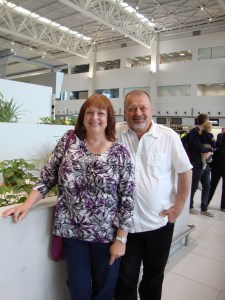 who constructed and celebrated the opening and dedication of the Rasa Family Center in May. I met this beautiful couple 2 1/2 years ago when I was there ministering with Nora Hayes.
 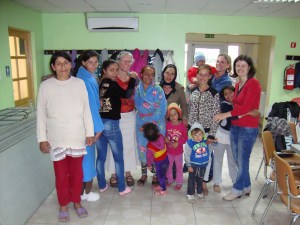 had lived for 20 years before moving to New York State. They moved their family to Romania to become permanent missionaries in 2001 and have given their lives to serve some of the poorest in Southern Romania. It will be a treat to see them again also.
 Walking in the Light is a wonderful place to be! The benefits of having unbroken fellowship with our Creator God and one another is beautiful. Because Christ provided the way to the Father, through His terrible suffering for sin and death on the cross, we are now free to enter into this beautiful place of LIFE!
 Nancy Demary